Marketing has always been part art, part science. In the past, decisions leaned heavily on gut feeling, creative campaigns, and lessons from prior experience. That approach still matters, but the modern marketplace is far too complex to run on instinct alone. Data comes in faster than people can process, and competition for attention grows fiercer every day. Machine learning gives marketers the ability to predict, personalize, and optimize at scale. These examples show how it’s transforming the way brands connect with people.
15 Real-World Examples of Machine Learning in Marketing
Predicting Customer Churn
Customer retention is often more cost-effective than acquisition. Machine learning models study user behavior such as purchase frequency, service usage, and declining engagement. These signals can indicate when a customer may be preparing to switch. Marketers can intervene with targeted offers, loyalty benefits, or improved support experiences. By catching risks early, companies reduce churn and maintain stronger long-term relationships with their customer base.
Personalized Recommendations
Recommendation engines are one of the most familiar faces of machine learning in marketing. By analyzing browsing history, past purchases, and even items left in carts, algorithms surface products that fit customer interests. This doesn’t just increase conversion—it creates a sense that the brand understands the individual. Streaming services and online retailers thrive on this model, proving its effectiveness at keeping users engaged and spending.
Dynamic Pricing
Static prices rarely serve businesses well in competitive markets. Machine learning systems can set prices dynamically based on demand, competitor changes, seasonality, and customer profiles. Airlines, ride-sharing apps, and e-commerce sites all rely on such models. The advantage lies in striking the right balance between profitability and fairness, ensuring that customers still feel they're getting value while companies optimize revenue in real-time.
Sentiment Analysis
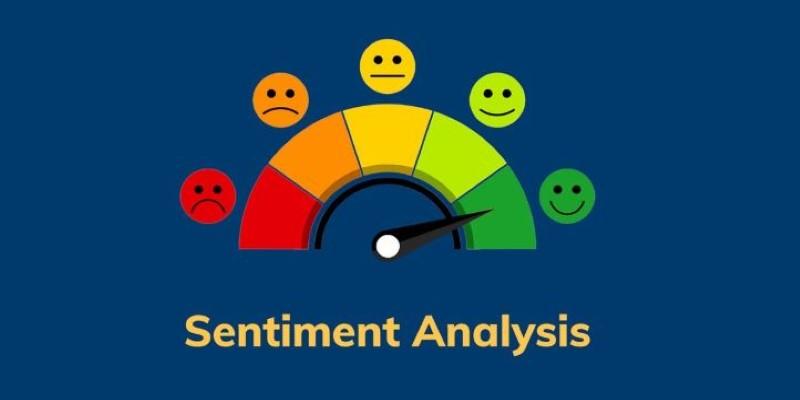
Public perception is fluid, and brands must stay aware of how people talk about them. Machine learning scans reviews, comments, and posts to interpret customer sentiment. Beyond flagging positive or negative tones, these systems can identify recurring themes and emerging concerns. This helps businesses adapt campaigns, manage potential crises, and design products or services that better match customer expectations.
Optimizing Ad Spend
Advertising is expensive, and wasteful spending is common. Machine learning tools track how ads perform across channels, analyzing clicks, conversions, and demographics. Models then recommend budget allocations that favor platforms where ads drive the most results. Instead of spreading spending evenly, businesses invest where attention truly converts. This approach maximizes return and reveals new audiences that manual targeting might overlook.
Chatbots and Virtual Assistants
Chatbots powered by machine learning are no longer clunky or scripted. They learn from conversations, improving accuracy with time. For customers, this means faster responses and consistent support. For businesses, it reduces the workload on human teams while keeping service available 24/7. Beyond support, chatbots can guide users through product searches or checkout processes, turning help desks into revenue channels.
Email Marketing Personalization
Generic email blasts rarely work in today’s crowded inboxes. Machine learning segments audiences and predicts the best send times, subject lines, and content for each user. A sports enthusiast may see event highlights, while a fashion buyer receives style updates. This precision leads to higher open rates and stronger engagement, turning routine campaigns into tailored experiences that actually resonate.
Lead Scoring
Sales pipelines can be overwhelming. Machine learning helps by assigning scores to leads based on behavior, demographic data, and interactions with marketing materials. Leads with high scores receive immediate attention from sales teams, while low-value prospects remain in nurturing campaigns. This ensures resources go to the right opportunities, improving conversion rates without overwhelming staff with unqualified leads.
Customer Lifetime Value Prediction
Not all customers hold the same future potential. Machine learning estimates which individuals will deliver the most revenue over time, factoring in spending patterns, repeat purchases, and loyalty signals. By knowing who is most valuable, marketers can design exclusive programs, personalized discounts, or retention campaigns aimed at sustaining those profitable relationships.
A/B Testing Enhancement
Traditional A/B testing involves waiting weeks for statistically reliable outcomes. Machine learning speeds the process by predicting performance and automatically adjusting campaign elements. For example, if one headline clearly gains traction early, the model reallocates traffic faster. This makes marketing experiments more agile, helping teams refine strategies without losing momentum or budget.
Content Creation Support
While machine learning cannot replace human creativity, it does assist in content planning. Tools suggest trending topics, high-performing keywords, and likely audience interests. Writers and designers can focus on storytelling while trusting data to guide subject choices. The combination leads to material that is timely, relevant, and more likely to perform well in search rankings and on social platforms.
Visual Recognition for Retail

Image recognition allows retailers to learn how shoppers interact with products. Cameras in stores or apps can record which items people view or handle, feeding data into predictive models. This helps retailers design layouts, feature popular products, or even trigger digital promotions. Online, visual recognition can match uploaded photos with products, simplifying search and discovery.
Social Media Monitoring
Brands cannot manually track millions of online conversations. Machine learning tools scan platforms for brand mentions, competitor activity, and trending topics. The results provide real-time insights into what audiences care about, allowing marketers to join conversations at the right moment. Monitoring also helps in identifying influencers who shape opinions and can extend campaign reach.
Voice Search Optimization
Voice queries are changing how people look for information. Machine learning analyzes speech patterns, helping marketers understand natural language searches. This ensures websites and campaigns align with how people phrase questions aloud rather than typed keywords. Businesses that optimize for voice searches gain visibility in a growing space where convenience often drives choice.
Fraud Detection in Advertising
Click fraud and fake impressions drain advertising budgets. Machine learning detects irregularities in traffic sources, click frequency, or unusual engagement spikes. By spotting fraud early, businesses save money and maintain accurate performance data. This not only protects budgets but also ensures marketing strategies are built on reliable results.
Conclusion
Machine learning in marketing has moved beyond trials to become an everyday tool that guides decisions and improves customer connections. It sharpens strategy without replacing creativity, making campaigns more personalized, efficient, and responsive. From retention to fraud detection, it delivers practical impact. The advantage lies with businesses blending data intelligence with authentic audience understanding.